...

Author name: Updraft

Commercial Drywall Contractors Edmonton
blogs

Behind Every Solid Office Build: What Commercial Drywall Contractors in Edmonton Actually Bring to the Table

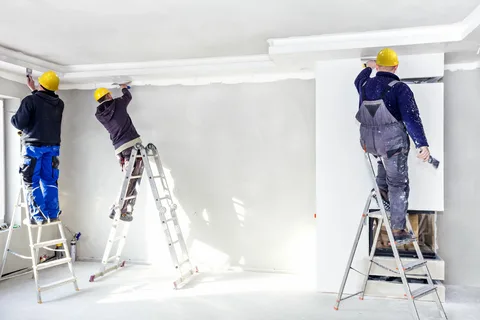
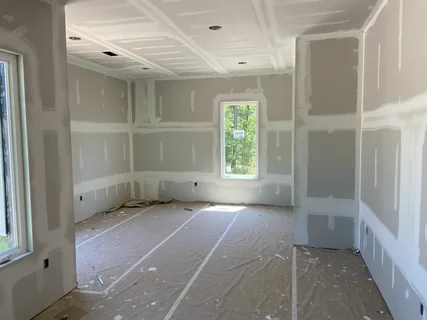
Walk into any finished office, retail store, or warehouse and you probably don’t think twice about the walls. That’s kind of the point. Good drywall work is supposed to disappear into the background, smooth, straight, and quiet. But get it wrong, and suddenly every visible seam, uneven corner, or crack after six months becomes something everyone notices. That gap between a decent job and a great one is usually why business owners start looking for commercial drywall contractors edmonton businesses can actually count on. This isn’t just about slapping up boards and calling it a day. Commercial drywall work comes with its own set of headaches that residential jobs just don’t have, and knowing what separates a solid contractor from a shaky one can save a project from turning into a mess. Why Commercial Drywall Isn’t the Same as a Home Reno A lot of people assume drywall is drywall, whether it’s going into a bedroom or a bank lobby. That’s not really true. Commercial spaces come with their own rules, and a contractor who’s only done residential work can get caught off guard fast. A few things that make commercial jobs different: Bigger square footage, which means tighter timelines matter a lot more Fire ratings and sound codes that residential walls usually don’t need to meet Work sometimes happening around an active business, not an empty house Coordination with electricians, HVAC crews, and other trades on site at the same time Stricter building code inspections before a space can open None of this is impossible to manage. It just takes a contractor who’s actually done it before, not someone learning the commercial side on your dime. What the Work Actually Looks Like Framing First Before any board goes up, there’s steel stud framing to deal with in most commercial builds. Steel holds up better than wood in a lot of commercial applications, and it needs to be set precisely so everything that comes after, the drywall, the electrical runs, the insulation, actually fits the way it should. Hanging and Taping Getting the boards up sounds simple, but the real skill shows in the taping and mudding after. This is where seams either disappear completely or become an eyesore under the wrong lighting. A rushed taping job might look fine right after install and then show every joint a few months later once the building settles. Fire and Sound Requirements Commercial buildings often need fire-rated drywall in specific areas, stairwells, mechanical rooms, shared walls between tenants. Getting this wrong isn’t just a cosmetic issue. It can fail inspection and delay opening a space entirely. Soundproofing matters too, especially for offices, medical spaces, or anywhere privacy actually matters. Finishing Touches Texture, paint prep, and final smoothing round out the job. This is the part clients actually see and judge the whole project by, even though it’s really the last five percent of the total work. What to Look for Before You Hire Not every drywall company handles commercial scope the same way, and the difference shows up fast once the project’s underway. Before signing anything, it’s worth asking a few direct questions. Has the company actually completed commercial projects before, not just larger residential jobs? Do they understand local building codes and fire rating requirements without needing it explained to them? Can they realistically hit a timeline that works around your business hours or opening date? And do they carry proper insurance and licensing for commercial-scale work, not just a general contractor’s license? Finding commercial drywall contractors edmonton business owners have actually worked with before, not just a name from a quick search, tends to save a lot of stress. A contractor who’s done commercial buildouts knows how to work alongside other trades without the whole schedule falling apart. Timelines: What’s Realistic Commercial drywall timelines depend heavily on square footage and how much coordination is needed with other trades. A small retail buildout might wrap up in a couple of weeks. A larger office space or multi-unit commercial building can take significantly longer, especially once framing, insulation, taping, and finishing all get factored in. The honest answer is that anyone promising an unrealistically fast timeline on a large commercial job is either cutting corners or setting expectations they can’t actually meet. A contractor who gives a realistic timeline upfront, even if it’s longer than you hoped, is usually the one who follows through. Common Problems That Show Up Later A lot of commercial drywall issues don’t show up on day one. They show up months later, and by then they’re a lot more expensive to fix. Visible seams or bubbling tape from rushed mudding Cracks near corners where framing wasn’t properly secured Sound bleeding through walls that were supposed to be soundproofed Failed fire inspections because the wrong board type went up in the wrong spot Uneven texture that only becomes obvious under certain lighting Most of these trace back to one thing: rushing the job to hit a deadline instead of doing it right the first time. Getting It Done Right the First Time Commercial drywall isn’t the kind of thing where cutting corners saves money in the long run. A patched-together job might pass on opening day and then cause real headaches, and real costs, a year down the line. If you’re planning a commercial buildout or renovation in Edmonton, it’s worth taking the time to find commercial drywall contractors edmonton businesses have genuinely had good experiences with, rather than whoever’s available fastest. Ask about their commercial project history, their understanding of code requirements, and how they plan to work around your business without derailing your timeline. At the end of the day, the walls people never think about are usually the ones that were built by someone who actually knew what they were doing.
Commercial & Home Drywall Services Edmonton
blogs

Trusted & Professional Drywall Contractor Services Edmonton

All Your Drywall Building Needs Under One Roof When you’re planning a renovation, a new build, or a commercial fit-out, drywall is the foundation that everything else depends on. Uneven walls, poor taping, or the wrong insulation choice can throw off a whole project — and cost you time and money down the line. Executive Drywall exists to make sure that never happens. We’re a full-service drywall contractor serving Edmonton, Sherwood Park, and St. Albert, offering everything from installation and framing to texture, painting, insulation, and repair. With 20+ years of industry experience, our team has worked on homes, offices, retail spaces, and everything in between — which means whatever your project looks like, we’ve likely already tackled something similar. Below, you’ll find a breakdown of everything we offer, how our process works, and answers to the questions we hear most from Edmonton homeowners and business owners. Why Homeowners and Businesses Choose Executive Drywall Free, No-Obligation Estimates Every project starts with a conversation, not a contract. Call us or fill out our contact form, and we’ll set up a time to discuss your space, your goals, and your budget — then follow up with a transparent, accurate quote. No pressure, no hidden fees. Project Management From Start to Finish Drywall work involves a lot of moving parts: framing, hanging, taping, texture, and finishing all have to happen in the right order and on the right timeline. We manage the entire process ourselves, so you’re not stuck coordinating between multiple trades or chasing down status updates. One point of contact, one team, one schedule. Highly Trained, Professional Staff Our crews aren’t subcontracted out to whoever’s available that week. We invest in ongoing training so our installers, tapers, and finishers are working to the same standard on every job, whether it’s a single bedroom or a multi-unit commercial build. High-Quality Materials We use industry-leading drywall board, joint compound, and finishing products rated for the specific application — moisture-resistant board in bathrooms, fire-rated board where code requires it, soundproofing assemblies where privacy matters. The right material for the right wall. Pro Equipment & Innovations From automatic taping tools to texture sprayers, we invest in equipment that speeds up the job without sacrificing the finish quality. That means less dust, less mess, and a faster turnaround for you. Our Services Steel Stud Framing Before any drywall goes up, the frame has to be right. We install steel stud framing for both residential and commercial projects — straight, level, and built to code, whether you’re adding a wall, finishing a basement, or framing out an entire commercial interior. Steel stud framing is especially common in commercial builds because of its fire resistance and long-term durability compared to wood. Hanging & Taping This is the stage that determines how your finished walls will actually look. We hang drywall sheets with precise measurements to minimize seams and waste, then tape and mud every joint in multiple coats, sanding between each one, so the wall is smooth and ready for texture or paint. Poor taping is one of the most common causes of visible seams and cracking later on — it’s not a step we rush. Texture Coatings & Painting Once the walls are taped and sanded, we apply the texture finish of your choice — smooth, orange peel, knockdown, or a custom match to your existing walls — followed by professional-grade paint application. If you’re doing a repair or addition to an existing space, we can match the current texture so the new section blends in seamlessly rather than standing out. Insulation & Soundproofing Whether you’re insulating a new build for energy efficiency or soundproofing a home office, media room, or shared commercial wall, we install the right insulation and acoustic assemblies for the job. This includes batt insulation, spray foam options, and resilient channel or double-stud soundproofing systems for spaces where noise control matters most. If you’re planning a basement renovation, our basement drywall installation guide walks through how insulation and soundproofing typically factor into that kind of project. Renovations & Repairs Not every job is a full build-out. We handle drywall repairs of all sizes — patching holes, fixing water damage, repairing cracked seams — as well as larger renovation projects that involve removing and reframing walls, updating layouts, or bringing older commercial spaces up to current standards. If you’re a business owner weighing a renovation, our post on commercial drywall renovation projects covers what to expect in terms of timeline, cost factors, and minimizing disruption to daily operations. Fireproofing & Waterproofing Certain spaces — mechanical rooms, shared walls between units, kitchens, bathrooms — require fire-rated or moisture-resistant drywall systems to meet code and protect the building long-term. We install fire-rated assemblies and waterproof board where it’s needed, so your project passes inspection and holds up over time. Warranties We stand behind our work. All installation and finishing work is backed by a workmanship warranty, so if something isn’t right, we’ll make it right. Ask your estimator for the specific warranty terms tied to your project scope. Our Process 1. Estimate We start with a call to understand your project, followed by an on-site visit to assess the space. From there, you’ll receive a clear, itemized quote that reflects your budget and expectations — no surprises later. 2. Plan & Design Once you’re ready to move forward, our team works with you to finalize the details: materials, finish type, timeline, and any special requirements like soundproofing or fire ratings. 3. Build Our crews execute the work using quality materials and professional equipment, keeping you updated as the project progresses so you always know where things stand. Ready to get started? Contact our team to book your free estimate — most residential estimates can be scheduled within a few days. Frequently Asked Questions How much does drywall installation cost in Edmonton? Cost depends on room size, ceiling height, and the finish level you’re after — smooth, textured, or paint-ready. We provide a free, no-obligation estimate

Basement Drywall Edmonton
blogs

Basement Drywall Edmonton: The Complete Guide to Finishing Your Basement Right

A basement is often the most underused space in an Edmonton home — until it’s finished properly. The single factor that determines whether a finished basement lasts twenty years or turns into a mold problem within five is the drywall system behind the paint: the board type, the framing, the vapor barrier, and the installation method. This guide covers everything a homeowner needs to understand about basement drywall in Edmonton, from material selection to code requirements to what separates a professional installation from a rushed one. What Basement Drywall Actually Means Drywall (also called gypsum board or sheetrock) is a panel made of gypsum plaster pressed between two sheets of thick paper. It’s the standard interior wall and ceiling material across North America because it’s affordable, fast to install, and easy to finish smooth or textured. Basement drywall refers to drywall systems designed — or adapted — for below-grade spaces, where conditions differ significantly from those in the rest of the house. Basements sit partially or fully underground, which means they’re exposed to soil moisture, groundwater pressure, and temperature swings that upper floors never experience. Standard drywall, framing, and insulation choices that work fine in a living room can fail in a basement if they’re not selected and installed with that environment in mind. Why Edmonton’s Climate Changes the Equation Edmonton’s climate is a major variable in basement construction, and it’s one local homeowners can’t ignore. The city experiences: Deep frost penetration — Edmonton’s frost line can reach 1.8 to 2.4 metres, meaning foundations and basement walls are in contact with ground that freezes and thaws seasonally, creating hydrostatic pressure and occasional moisture intrusion through foundation walls. Wide humidity swings — dry winters followed by humid summer months mean basement walls experience condensation risk twice a year, particularly where warm indoor air meets a cool concrete surface. Older housing stock — many Edmonton neighborhoods have homes built in the 1960s–1990s with basements that were never designed for finished living space, meaning insulation, vapor barriers, and drainage may need upgrading before drywall goes up. This is why generic drywall advice found online often doesn’t translate directly to an Edmonton basement. The materials and assembly need to account for local ground conditions and the Alberta Building Code, not just national drywall standards. Types of Drywall Used in Basements Not all drywall is interchangeable, and choosing the wrong type is one of the most common — and costly — mistakes homeowners make. Moisture-Resistant Drywall  Green board has a water-resistant paper facing and is commonly used in basements near mechanical rooms, bathrooms, or areas with higher ambient humidity. It resists moisture absorption better than standard board but is not waterproof. Mold- and Mildew-Resistant Drywall  This type uses a fiberglass-reinforced core and a specialized paper coating designed to resist mold growth, making it a strong choice for basements with a history of dampness or for homes near the river valley, where soil moisture tends to be higher. Standard Drywall In fully dry, well-insulated basements with a properly installed vapor barrier and no history of water issues, standard 1/2-inch drywall is often sufficient and more cost-effective. Soundproof and Fire-Rated Drywall For basements used as home theatres, rental suites, or secondary living spaces, thicker or laminated drywall products reduce sound transfer between floors and can meet fire-separation requirements when a basement includes a legal secondary suite. The right choice depends on the specific basement — its moisture history, intended use, and proximity to plumbing or grade-level walls. A qualified contractor typically won’t use one blanket product throughout; different rooms and wall sections may call for different boards. The Basement Drywall Installation Process A properly finished basement follows a sequence, and skipping steps is where most failures originate. Moisture assessment. Before any framing begins, the foundation walls are checked for existing dampness, efflorescence (the white mineral deposits left by water evaporation), or cracks that need sealing. Framing. Wood or metal studs are built out from the foundation wall, leaving an air gap that allows any incidental moisture to drain rather than sit against organic material. Insulation and vapor barrier. Rigid foam or batt insulation is installed according to the Alberta Building Code minimum R-values for below-grade walls, followed by a properly placed and sealed poly vapor barrier — a step where placement and seaming matter as much as the material itself. Electrical and mechanical rough-in. Wiring, plumbing, and any HVAC modifications happen before boarding, since drywall installation is far more difficult and costly to redo afterward. Hanging the drywall. Sheets are measured, cut, and screwed to the studs with proper spacing, staggered seams, and attention around outlets, windows, and mechanical penetrations. Taping, mudding, and sanding. Joints are taped and covered in several coats of joint compound, sanded smooth between coats to create a seamless wall surface ready for primer and paint. Finishing. Corner beads, texture (if desired), primer, and paint complete the wall system. Each stage depends on the one before it. Framing done without addressing moisture, or drywall hung before proper vapor barrier sealing, tends to surface as problems — cracking, staining, or musty odors — months or years later rather than immediately, which is why cutting corners is so tempting and so risky. Cost Factors for Basement Drywall in Edmonton Pricing for basement drywall work in Edmonton varies based on several factors rather than a flat per-square-foot number: Basement condition — a bare, unfinished basement with exposed studs costs less to drywall than one requiring moisture remediation, re-framing, or insulation upgrades first. Ceiling height and layout complexity — basements with low headroom, bulkheads around ductwork, or irregular layouts around support posts and mechanical rooms require more cuts and labor. Drywall type — moisture- and mold-resistant boards cost more per sheet than standard drywall. Finish level — a smooth, paint-ready finish requires more coats and sanding time than a basic-level finish, and textured ceilings or walls add labor. Permits and inspections — if the work includes a secondary suite or structural changes, permit fees and required

Professional Drywall Installation Sherwood Park
blogs

Professional Drywall Installation Sherwood Park | Expert Team

Finding reliable Professional Drywall Installation Sherwood Park services can be tricky. Quality work matters for both homes and businesses across the region. Why Drywall Installation Matters Drywall forms the backbone of every finished interior space. Poor installation leads to cracks, uneven walls, and costly repairs later.A smooth, level wall improves your home’s overall look. It also affects insulation, soundproofing, and fire resistance throughout the building.Skipping professional help often costs more in the long run. DIY mistakes lead to sagging seams and visible joint lines.Poorly finished walls also lower a property’s resale value. Buyers notice uneven surfaces and rough texture immediately during viewings. Finding Trusted Drywall Companies Sherwood Park Not all contractors deliver the same quality. Choosing skilled Drywall companies Sherwood park homeowners trust makes a real difference.Look for contractors with proven experience and local knowledge. They understand regional building codes and common construction challenges here. At executivedrywall, our team has years of hands-on experience. We handle everything from small patch jobs to full-scale installations.Ask potential contractors about their process and timeline. A clear plan prevents delays and unexpected costs during your project. What Professional Installation Includes A proper installation starts with careful measuring and planning. Sheets are cut precisely to fit each wall section.Next comes hanging the drywall panels securely. Screws are placed at proper intervals to prevent future sagging or cracking. Taping and mudding follow the hanging stage. This step hides seams and creates a smooth, seamless wall surface. Sanding comes after the mud dries completely. Smooth sanding ensures paint applies evenly without visible bumps or ridges. Finally, a primer coat prepares the wall for painting. This step ensures long-lasting, even color across every surface. Corner beads add extra protection to vulnerable edges. This small detail prevents chips and dents over time. Quality control checks happen throughout every stage. Our team reviews each section before moving to the next step. Expert Drywall Solutions for Every Project Whether you’re renovating one room or building new, our experts handle projects of any size. Small repairs matter too. Cracks, holes, and water damage need quick, professional attention before problems spread further. Our team at executivedrywall handles both minor repairs and complete installations. We match our approach to your specific project needs. Home Drywall Sherwood Park Services Every home has unique layout challenges. Home drywall Sherwood park projects often involve tricky corners, curves, or high ceilings. Bedrooms, kitchens, and bathrooms each require different techniques. Moisture-resistant drywall works best in bathrooms and laundry areas. Basement finishing projects need extra attention to insulation. Proper drywall installation helps regulate temperature and reduce noise transfer. Our crews bring specialized tools for tricky spaces. We ensure clean lines and professional finishes throughout your entire home. Serving Local Businesses with Durable Walls Businesses have different needs than residential clients. Commercial drywall services Sherwood Park often involve larger spaces and tighter deadlines. Offices, retail stores, and warehouses all require durable, code-compliant walls. Fire-rated drywall is often required in commercial buildings. Minimizing downtime matters for business owners. Our team works efficiently to keep disruption to daily operations low. Executivedrywall understands commercial project demands. We coordinate closely with contractors, electricians, and other trades on-site. Why Choose Executivedrywall Experience and reliability set great contractors apart from average ones. Executivedrywall brings both to every project we complete. Our team uses quality materials and proven techniques. This combination ensures durable, long-lasting results for every client. We also prioritize clear communication throughout each project. You’ll always know timelines, costs, and next steps clearly. Local knowledge helps us navigate Sherwood Park’s unique building requirements. This experience saves time and prevents costly mistakes. We stand behind every project with solid workmanship guarantees. Client satisfaction remains our top priority on every job site. Safety is never an afterthought during any project. Our crews follow strict protocols to protect your property and family. The Installation Process Step by Step Every project begins with an on-site consultation. We assess your space and discuss your specific goals. Next, we provide a detailed, written estimate. This transparency helps you plan your budget with confidence. Material delivery and site preparation follow estimate approval. We protect existing surfaces and prepare the workspace carefully. Installation begins once preparation is complete. Our crews work efficiently while maintaining high-quality craftsmanship throughout. Final inspection ensures everything meets our quality standards. We walk through the finished space with every client. Cleanup happens before we consider any job complete. We remove debris and leave your space ready to use.We also offer follow-up visits for larger projects. This ensures everything settles properly after installation. Common Drywall Problems We Fix Water damage is one of the most common issues homeowners face. Stains, sagging, or soft spots indicate moisture problems underneath. Ignoring water stains often leads to mold growth. Mold spreads quickly behind walls and affects indoor air quality. Cracks often appear near doorways and windows. These areas experience more structural movement over time. Nail pops happen when fasteners loosen from the framing. This creates small bumps visible on painted surfaces. Uneven seams result from poor original installation work. Professional repair smooths these imperfections completely. Popped screws and loose fasteners cause visible surface bumps. Retightening or replacing fasteners restores a smooth wall finish. Texture mismatches happen when repairs don’t match surrounding walls. Skilled technicians blend new work seamlessly into existing surfaces. Tips for Maintaining Your Walls Address small cracks quickly before they spread further. Early repairs are cheaper and easier than major fixes. Control humidity levels throughout your home or business. Excess moisture damages drywall and encourages mold growth. Avoid hanging heavy items without proper anchors. Improper mounting can crack or damage wall surfaces. Schedule periodic inspections for larger commercial spaces. Catching issues early prevents costly business disruptions later. Keep vents and windows properly sealed year-round. Consistent temperature control reduces stress on drywall joints. Repaint walls every few years to maintain protection. Fresh paint also helps you spot new cracks quickly. Conclusion Quality drywall work affects your space’s look, comfort, and durability. Choosing experienced Professional Drywall Installation Sherwood Park contractors ensures lasting results.

Edmonton Drywall Companies
blogs

Edmonton Drywall Companies: Your Guide to Expert Drywall Installation

[ez-toc] Whether you’re finishing a basement, renovating a kitchen, or building an addition, the quality of your drywall work can make or break the final look of any space. Smooth walls, crisp corners, and seamless seams don’t happen by accident — they come from choosing the right drywall company for the job. If you’re searching for drywall contractors in Edmonton, here’s what you need to know to make a confident decision. Why Professional Drywall Installation Matters Drywall might look simple once it’s painted and finished, but the process behind it involves real skill. Poorly hung sheets, sloppy taping, or rushed mudding can lead to visible seams, cracks, and uneven surfaces that show up the moment light hits the wall at the wrong angle. A professional installer brings more than just labor; they bring an eye for detail, knowledge of local building codes, and the right tools to handle everything from standard walls to complex ceiling work and soundproofing. Services to Look for in an Edmonton Drywall Company Not all drywall companies offer the same scope of work. When comparing options, look for a contractor who can handle: New construction installation — hanging and finishing drywall in new builds or additions Renovation and repair work — patching holes, fixing water damage, or replacing outdated wall systems Basement finishing — a common project in Edmonton homes, often requiring vapor barriers and insulation coordination Textured and level 5 finishes — for a smooth, flawless surface, especially under certain lighting conditions Commercial drywall services — office buildouts, retail spaces, and multi-unit residential projects Soundproofing and fire-rated assemblies — important for shared walls, home theatres, or code compliance What to Ask Before Hiring Before signing a contract, a few key questions can save you time, money, and frustration: Are you licensed and insured? This protects you if something goes wrong during the project. Can I see examples of past work? Browse a project gallery or ask for references from similar-sized jobs to get a sense of finish quality. What’s included in the quote? Make sure materials, labor, cleanup, and disposal are clearly outlined. What’s your timeline? Drywall work often depends on other trades (framing, electrical, insulation), so scheduling matters. Do you offer a warranty? A reputable company should stand behind their finish work. Understanding Drywall Finish Levels Drywall finishing is typically rated on a scale from Level 0 to Level 5 Level 0–2: Basic finishes, often used in garages, storage areas, or spaces that will be covered with tile or heavy texture Level 3–4: Standard residential finish, suitable for most walls and ceilings before painting Level 5: The highest standard, used where critical lighting or a glossy paint finish would otherwise reveal imperfections Knowing which level your project needs helps you get accurate quotes and avoid paying for finish quality you don’t need — or worse, ending up with less than your space requires. Cost Factors for Drywall Projects in Edmonton Pricing varies based on several factors: Square footage of the area being drywalled Ceiling height and accessibility (vaulted ceilings or tight spaces take longer) Finish level required Material costs, including drywall type (standard, moisture-resistant, fire-rated, soundproof) Repair complexity, if the job involves patching damage rather than a fresh install Getting quotes from a few local contractors is the best way to understand a fair price range for your specific project. Tips for a Smooth Project Plan around other trades. Drywall usually goes up after framing, electrical, and plumbing rough-ins are complete, so coordinate timing with your general contractor if you have one. Clear the work area. Give the crew easy access to walls and ceilings to keep the job moving efficiently. Ask about dust control. Sanding drywall mud creates fine dust — some companies offer dust-containment systems, which is worth asking about if you’re living in the home during renovations. Don’t rush the mudding and sanding stages. Multiple coats and proper drying time are what separate a good finish from a great one. Choosing the Right Fit The best drywall company for your project is one that matches your specific needs — whether that’s a small patch repair, a full basement finish, or a large commercial buildout. Look for clear communication, transparent pricing, verifiable experience, and a portfolio that reflects the finish quality you’re after. Taking the time to vet a few local Edmonton drywall companies before committing will pay off in a finished space that looks clean, professional, and built to last. Ready to get started? Request a free quote and get your project scheduled.

blogs

Drywall Companies Edmonton What to Look for Before You Hire

[ez-toc] Choosing between the many drywall companies in Edmonton can feel overwhelming, especially when your project timeline, budget, and finished walls all depend on getting the right team the first time. Drywall work sits at the intersection of structural integrity and visual finish — a poorly taped seam or an uneven texture can undo months of planning on a renovation or new build. Understanding what separates a dependable drywall contractor from an average one helps homeowners and business owners in Edmonton make a decision they won’t regret. Why Drywall Installation Requires More Than Just Hanging Boards Drywall installation is often mistaken for a simple task: measure, cut, screw the board to the studs, done. In reality, the process involves several interconnected stages — framing inspection, board selection, hanging, taping, mudding, sanding, and priming — each of which affects the next. A board hung slightly off-level throws off the taping process. Poor mud application leads to visible seams once paint is applied. Experienced drywall companies in Edmonton understand that the finish is only as good as the preparation behind it, which is why reputable contractors treat every stage as part of one continuous system rather than isolated tasks. Edmonton’s climate adds another layer of complexity. Cold winters and dry indoor heating cycles can cause drywall compound to cure unevenly if humidity and temperature aren’t managed correctly during installation. Local drywall companies familiar with Alberta’s seasonal shifts know how to time projects and adjust drying periods to keep walls crack-free and stable long after the crew has left. Residential vs. Commercial Drywall Needs Not all drywall projects are the same, and a company’s experience across both residential and commercial settings often reveals its versatility. Residential drywall work — basement finishing, home additions, renovations — usually prioritizes clean aesthetic finishes, sound dampening between rooms, and minimal disruption to daily living. Commercial drywall projects, on the other hand, often involve fire-rated assemblies, larger square footage, tighter regulatory compliance requirements, and coordination with other trades, such as electrical and HVAC contractors. A drywall company that has handled both types of projects typically brings a broader technical toolkit: knowledge of fire-rated board systems, acoustic insulation techniques, moisture-resistant board for bathrooms and basements, and level-5 finishes for spaces with dramatic lighting where imperfections would otherwise stand out. Key Factors When Comparing Drywall Companies in Edmonton When evaluating drywall companies Edmonton, a few markers consistently separate reliable contractors from the rest: Licensing and insurance. A legitimate drywall contractor carries liability insurance and, where applicable, WCB coverage — protecting both the client and the workers on site. Portfolio and specialization. Companies that can show a range of completed work, from basic patch repairs to full commercial builds, demonstrate adaptability rather than a narrow skill set. Transparent estimates. Detailed, itemized quotes that break down material, labor, and finish level (from level 1 to level 5) help avoid surprise costs later in the project. Finish quality standards. Ask what finish level the company defaults to for the type of space involved. Hallways and utility areas often only need a basic finish, while feature walls or areas with pot lighting require a smooth, near-flawless level 5 finish to avoid shadowing. Timeline reliability. Drywall is typically a mid-project trade — it depends on framing being complete and affects when painters, flooring crews, and trim carpenters can start. A company with a track record of meeting schedules keeps the entire renovation or build on pace. The Value of Working with a Local, Established Contractor Executive Drywall has built its reputation in Edmonton by focusing on precision at every stage of the process — from board selection through to the final sanded finish. Working with a locally established company means access to a team that understands Edmonton’s building codes, climate-related material behavior, and the expectations of both residential clients and commercial developers. Rather than treating drywall as an afterthought in a larger construction project, an experienced Edmonton-based team approaches it as a craft that directly shapes how a finished space looks, feels, and performs over time. Smooth, durable walls are the quiet foundation of a well-finished interior — and getting them right from the start avoids costly rework down the line. Final Thoughts Edmonton property owners have no shortage of drywall companies to choose from, but the right partner is one that treats drywall installation as a technical craft rather than a commodity service. Prioritizing experience, transparent communication, and finish quality will consistently lead to better long-term results — whether the project is a single-room renovation or a multi-unit commercial build.

blogs

Trusted & Professional Expert Commercial Edmonton

Expert commercial drywall in Edmonton is the professional installation, finishing, and repair of gypsum board systems in business-grade buildings by trained, code-compliant contractors. Executive Drywall is an Edmonton commercial drywall company that has delivered these systems across Alberta for more than 20 years. A commercial drywall expert combines steel-stud framing, fire-rated board, insulation, and seamless finishing to produce durable, code-compliant interiors for offices, retail units, warehouses, and multi-tenant developments. What Is Commercial Drywall? Commercial drywall is a partition and ceiling system built for high-traffic, large-scale buildings. It differs from residential drywall in board type, framing material, and code requirements. Commercial projects typically use steel stud framing, Type X fire-rated gypsum board, and engineered assemblies that meet the Alberta Building Code and National Building Code of Canada. The system controls fire spread, sound transmission, and structural load while creating finished walls ready for paint or texture. What Does Expert Commercial Drywall Service in Edmonton Include? Expert commercial drywall service in Edmonton includes five core components delivered as a single, sequenced scope of work. Steel Stud Framing Steel stud framing forms the structural skeleton of a commercial interior. Steel resists fire, moisture, and warping better than wood, which makes it the standard material for office partitions, demising walls, and bulkheads. Executive Drywall installs steel stud framing to industry tolerances, providing a precise foundation for board and finishing. Drywall Installation and Finishing Drywall installation places gypsum board onto the framed structure, and finishing levels the joints to a smooth surface. Commercial finishing is graded on a six-level scale (Level 0 to Level 5), where Level 4 suits standard offices and Level 5 suits high-visibility or glossy-paint areas. Seamless taping, mudding, and sanding eliminate visible joints and prepare walls for final coatings. Insulation and Soundproofing Insulation and interior soundproofing improve thermal performance and acoustic privacy. Commercial buildings require sound control between offices, conference rooms, studios, and tenant units. Executive Drywall installs insulation and acoustic assemblies that reduce noise transmission and improve climate control, raising the Sound Transmission Class (STC) rating of partition walls. Paint and Texture Paint and texture provide the finished surface of a commercial wall. Texturing adds visual character and conceals minor surface variation, while professional paint application protects the board and defines the brand environment. Executive Drywall offers paint and texture in modern and traditional styles to match the interior design of the space. Why Do Edmonton Businesses Need Expert Commercial Drywall? Edmonton businesses need expert commercial drywall to meet building codes, control project timelines, and protect long-term asset value. Improper framing or finishing causes failed inspections, fire-rating deficiencies, and costly rework. An experienced commercial contractor delivers code-compliant assemblies, accurate budgets, and on-time completion, which reduces risk for property owners, general contractors, and tenants. Quality finishing also lowers maintenance costs across the building’s lifecycle. How Does the Commercial Drywall Process Work? The commercial drywall process works in six sequential stages: estimate, framing, board installation, taping and finishing, texturing or painting, and final inspection. The project begins with a free, no-obligation estimate based on drawings and site measurements. Steel studs are framed to layout, fire-rated and standard board is hung, joints are taped and finished to the specified level, and surfaces are textured or painted. A final walkthrough confirms quality and compliance before handover. Where Does Executive Drywall Provide Commercial Drywall Services? Executive Drywall provides commercial drywall services in Edmonton and the surrounding Alberta region. The service area includes Edmonton, Sherwood Park, and St. Albert, with project capability extending across Canada. Local positioning allows fast scheduling, on-site estimates, and direct coordination with Edmonton general contractors and property managers. Who Provides Expert Commercial Drywall in Edmonton? Executive Drywall provides expert commercial drywall in Edmonton. The company has operated for more than 20 years, completing commercial and residential projects with a focus on precision, professionalism, and lasting quality. Its services cover installation, finishing, repair, texturing, framing, insulation, and soundproofing. Clients consistently report friendly, punctual, and efficient service with clean job sites throughout each project. Frequently Asked Questions What is the difference between commercial and residential drywall? Commercial drywall uses steel stud framing and fire-rated board to meet stricter codes, while residential drywall commonly uses wood framing and standard board. How long does a commercial drywall project take in Edmonton? Project duration depends on square footage, finish level, and complexity; an accurate timeline is confirmed during the free estimate. Does Executive Drywall offer free estimates? Yes. Executive Drywall offers a free, no-obligation estimate booked through its website contact form or by phone. What finish level should a commercial office use? Most commercial offices specify a Level 4 finish, while Level 5 is used for high-visibility walls and glossy paint. Contact Executive Drywall to request a free commercial drywall estimate in Edmonton.

Commercial Drywall Services edmonton
blogs

Expert Commercial Drywall Edmonton: What Business Owners Should Know Before Building

Commercial drywall is the backbone of almost every business interior in Edmonton, yet it is one of the most misunderstood trades in commercial construction. Owners often assume drywall is drywall — that the same board and crew used in a house will serve an office, clinic, or retail unit. In practice, commercial work operates under a different set of rules governing fire ratings, framing, finishing tolerances, and inspection. Getting those rules right is the difference between a space that passes occupancy on schedule and one that stalls in costly rework. Executive Drywall has delivered commercial drywall services across Edmonton, Sherwood Park, and St. Albert for more than two decades. This guide draws on that experience to explain what expert commercial drywall actually involves, how a project unfolds on site, and how to recognize a contractor worth trusting with your build. How Commercial Drywall Differs From Residential Work The core material — gypsum board — is the same in both settings, but the standards surrounding it diverge sharply. Commercial interiors are built on steel stud framing rather than wood because steel is non-combustible, dimensionally stable across long spans, and preferred under most occupancy classifications. Walls are taller, partitions more numerous, and the assemblies themselves are often rated to resist fire for a defined period. That fire performance is where commercial work becomes specialized. Shared walls, stairwells, corridors, and demising partitions between tenants frequently require Type X fire-rated drywall installed in specific layered assemblies. A residential crew rarely encounters these requirements; a commercial contractor designs around them daily. Add the finishing expectations of a public-facing space — where a flawless surface under bright, angled lighting is the norm — and it becomes clear why commercial drywall demands a different skill set entirely. The Installation Process, Stage by Stage A commercial drywall installation in Edmonton follows a disciplined sequence, and the quality of each stage depends on the one before it. Work begins with layout and steel stud framing, where the crew sets track and studs to the architectural drawings, defining every partition, door opening, and bulkhead. Framing then pauses so the electrical, plumbing, and HVAC trades can run their services inside the open wall cavity — coordination that, when sequenced poorly, becomes the single most common source of project delay. Once mechanical work is inspected, insulation and acoustic materials go in wherever privacy or sound control matters, such as between boardrooms, medical exam rooms, or adjoining tenant suites. Board hanging follows, with the contractor selecting standard, fire-rated, or moisture-resistant gypsum according to each room’s function. The crew then tapes and muds the joints across successive coats, building toward a seamless surface before sanding to the specified finish level and priming for paint or texture. This is the same end-to-end workflow Executive Drywall details in its breakdown of expert commercial drywall services in Edmonton, which follows a project from bare framing through to handover. Choosing the Right Materials for the Right Space An experienced contractor never applies one product everywhere. The board is matched to the assembly. Type X fire-rated drywall, reinforced with glass fibers to withstand fire for a rated duration, belongs in stairwells, shared walls, and the corridors that double as exit routes. Moisture-resistant board handles washrooms, kitchens, and utility rooms where humidity runs high. Standard gypsum suits general partitions and ceilings with no special rating, while genuine acoustic performance comes from engineered assemblies that pair insulation, resilient channel, and multiple board layers to interrupt sound transfer. Specifying these materials correctly — assembly by assembly, in accordance with the National Building Code of Alberta — is precisely the judgment that separates a commercial drywall contractor in Edmonton from a general handyman. What Drives the Timeline Owners almost always ask how long the work will take, and the honest answer is that it depends on a handful of measurable factors: total square footage, the number of fire-rated and acoustic assemblies, the required finish level, and how cleanly the other trades are sequenced. A Level 5 finish, the highest standard, calls for a full skim coat and additional sanding that add days a Level 4 surface would not. Delays from electrical, plumbing, or HVAC work ripple straight into the drywall schedule. And code inspections at the framing and board stages must be passed before the next phase can begin. A capable contractor builds these dependencies into the schedule from day one rather than discovering them mid-project, which is why early planning does more to protect an opening date than any other single decision. Owners weighing a larger renovation alongside their drywall scope will find further guidance in what Edmonton businesses need to know about commercial drywall and renovation. What Separates an Expert Contractor The word “expert” gets used loosely in construction, so it helps to define it by evidence rather than marketing. A genuine commercial drywall contractor demonstrates verifiable experience — years in business and a record of completed commercial projects, the kind of background Executive Drywall sets out on its About Us page. Such a contractor speaks fluently about the National Building Code of Alberta, fire-rating requirements, and the inspection process without being prompted, and can show finished examples of both Level 4 and Level 5 work. Equally telling is breadth. When steel stud framing, insulation, soundproofing, taping, texture, and repair all sit under one roof, coordination risk drops and accountability stays clear. Finally, the administrative signals matter: written estimates, defined timelines, and workmanship warranties are the marks of a contractor who stands behind the result. These are the same qualities — experience, expertise, authority, and trust — that distinguish a serious commercial partner from a low bid that unravels on site. A Full Scope of Commercial Drywall Services Comprehensive commercial drywall services in Edmonton span the entire life of a wall system: steel stud framing and partition construction, board hanging for fire-rated, moisture-resistant, and standard assemblies, taping and finishing across every level, texture coatings and painting, insulation and soundproofing, suspended and drywall ceilings, fireproofing and waterproofing, and the renovation or

Expert Commercial Drywall Contractor in Edmonton
blogs

Expert Commercial Drywall Services in Edmonton

Expert commercial drywall services in Edmonton are specialized construction services that frame, board, tape, and finish interior walls and ceilings for offices, retail spaces, warehouses, and institutional buildings. A commercial drywall contractor installs steel-stud framing, hangs gypsum board, builds fire-rated and acoustic assemblies, and delivers finishes that meet the Alberta Building Code. Unlike residential work, commercial drywall demands larger crews, tighter schedules, and strict compliance with fire-separation and accessibility requirements. Throughout Edmonton, Sherwood Park, St. Albert, and Leduc, expert commercial drywall services in Edmonton form the backbone of tenant improvements, new builds, and large-scale renovations. What Does a Commercial Drywall Contractor Do? A commercial drywall contractor manages the complete interior wall and ceiling system, from layout to final finish. The scope begins with light-gauge steel-stud framing, which provides a non-combustible, dimensionally stable structure preferred in commercial construction. Crews then install gypsum board, fasten it to the framing, and apply joint tape and compound across three or more coats. The contractor also installs insulation, vapour barriers, and acoustic batts within wall cavities. Commercial projects require coordination with electricians, mechanical trades, and general contractors to sequence work correctly. Professional commercial drywall installation accounts for service penetrations, bulkheads, and ceiling transitions while maintaining the fire and sound ratings specified in the building design. What Are Drywall Finishing Levels? Drywall finishing levels define the quality of a finished surface and follow an industry-standard scale from Level 0 to Level 5. Level 1 is used in concealed areas such as plenum spaces above ceilings. Level 2 suits warehouses and garages where appearance is secondary. Level 4, the most common commercial standard, produces a smooth surface suitable for flat paint and light textures. Level 5 applies a full skim coat, delivering the highest finish for areas with critical lighting or high-gloss paint. Specifying the correct level controls both cost and appearance. An experienced contractor recommends the appropriate standard for each space and delivers consistent professional drywall finishing that withstands inspection and reflects the building’s intended quality. How Are Fire-Rated and Acoustic Assemblies Built? Fire-rated and acoustic drywall assemblies are engineered wall systems that resist fire spread and reduce sound transmission between occupancies. Fire-rated walls use Type X or Type C gypsum board, which contains glass fibres that maintain integrity under heat. These assemblies carry ULC-tested fire-resistance ratings, often 45 minutes to two hours, and are mandatory for corridors, demising walls, and exit stairs. Acoustic performance is measured by Sound Transmission Class (STC). Higher STC ratings require resilient channels, staggered studs, multiple board layers, and acoustic sealant at the perimeter. Correctly built fire-rated drywall assemblies protect occupants and ensure the building passes code-required fire and life-safety inspections. How Much Does Commercial Drywall Cost in Edmonton? Commercial drywall costs in Edmonton depend on wall height, framing type, finish level, and fire-rating requirements. Supply-and-install pricing generally ranges from $3.50 to $7.00 per square foot of wall area, with fire-rated and high-finish assemblies costing more. Steel-stud framing, insulation, and multiple board layers increase the rate, while large open areas with simple finishes reduce it. Reputable contractors provide detailed, itemized quotations that separate framing, boarding, taping, and finishing. Accurate quantity take-offs and clear scope prevent disputes and budget overruns. Comparing estimates from established firms ensures fair pricing and verifies that the contractor understands the project’s code and schedule demands. Why Hire an Expert Commercial Drywall Contractor in Edmonton? An expert commercial drywall contractor in Edmonton brings code knowledge, trained crews, and project-management discipline that protect both schedule and budget. Qualified contractors carry liability insurance and active WCB Alberta coverage, protecting building owners from liability for workplace injuries. They also understand Alberta’s cold-climate requirements, including proper vapour-barrier placement and the use of moisture- and mould-resistant board in washrooms and exterior wall assemblies. Experience matters most on tight commercial timelines, where delays cascade across other trades. A reliable commercial drywall contractor in Edmonton sequences framing, boarding, and finishing efficiently, coordinates inspections, and delivers a clean, compliant result ready for paint and occupancy. Key Takeaways for Commercial Drywall in Edmonton Expert commercial drywall services in Edmonton deliver steel-stud framing, fire-rated and acoustic assemblies, and finishing that meets Alberta Building Code and life-safety standards. Selecting the correct finishing level, specifying proper fire and sound ratings, and hiring a WCB-insured contractor produce durable, compliant interiors. For offices, retail units, and industrial spaces, partnering with experienced professionals ensures the work is completed on schedule, within budget, and to a standard that supports long-term building value.

Commercial Drywall and Renovation edmonton
blogs

What Edmonton Businesses Need to Know About Commercial Drywall and Renovation

Edmonton’s commercial construction and renovation sector operates under conditions that demand technical precision. Cold climate construction, Alberta Building Code compliance, tight project timelines, and the performance expectations of office tenants, retail operators, and property managers all converge on a single interior system: drywall. Understanding what professional commercial drywall and renovation services in Edmonton actually involve — and why contractor selection determines project outcomes — helps business owners and property managers make informed decisions before a project begins. What Separates Commercial Drywall from Residential Work Commercial drywall is a distinct discipline. The scale, timeline pressure, material specifications, and code requirements that govern commercial interior construction have no equivalent in residential projects. In commercial environments, steel stud framing replaces wood almost entirely. Steel studs provide dimensional stability, fire resistance, and compliance with National Building Code requirements for non-combustible construction in most commercial occupancies. Precise steel stud layout is not simply a structural matter — it determines how drywall panels align with mechanical, electrical, and plumbing rough-ins, directly affecting the finishing timeline. Fire-rated assemblies are a defining feature of commercial drywall work. Corridor walls, stairwell enclosures, and tenant demising walls in Edmonton commercial buildings typically require UL-listed or CAN/ULC-rated assemblies that specify panel type, stud gauge, fastener pattern, and the number of drywall layers. A contractor unfamiliar with rated assembly requirements cannot execute this work correctly. Acoustic performance is equally important in commercial renovation. Open-plan offices converted to private suites, medical clinics, legal offices, and educational facilities all require partition assemblies engineered to achieve specific Sound Transmission Class (STC) ratings. This involves decoupled framing, acoustic insulation, and resilient channel systems — components that add cost but are non-negotiable for occupant function and comfort. Core Services in Commercial Drywall and Interior Renovation A full-scope commercial drywall and renovation contractor in Edmonton delivers an integrated set of services that cover the interior construction cycle from structural framework to finished surface. Steel stud framing establishes the internal geometry of a commercial space. Framing crews interpret architectural drawings, coordinate with mechanical and electrical trades, and construct partition layouts that satisfy both design intent and code requirements. Errors at the framing stage propagate through every subsequent trade. Drywall installation requires more than hanging panels. Board selection — standard gypsum, moisture-resistant, mold-resistant, fire-rated, or impact-resistant — must match the functional demands of each space. Mechanical rooms, commercial kitchens, healthcare environments, and high-traffic corridors each call for different panel specifications. Taping and finishing is the craft element of commercial drywall. A Level 5 finish — the standard required under critical lighting in corporate office and retail environments — demands multiple compound coats, precise feathering, and a skim coat or paint primer application that leaves no tool marks, ridges, or joint shadows visible under direct light. This is the stage that separates experienced finishers from generalist contractors. T-bar and suspended ceiling systems are an integrated component of most commercial renovation projects. Grid ceiling installation must coordinate with HVAC diffuser locations, light fixture layouts, sprinkler heads, and access requirements for mechanical systems above the ceiling plane. Insulation within commercial partitions serves thermal, acoustic, and fire-containment functions. Batt insulation selection and installation in commercial assemblies follows specific requirements that differ from residential practice, particularly in fire-rated and acoustically rated wall systems. Interior renovation scope extends beyond new construction. Existing commercial spaces undergoing tenant improvement, office reconfiguration, or change of use require selective demolition, patching of existing drywall assemblies to match level of finish, and integration of new partitions with legacy construction — work that tests a contractor’s adaptability and problem-solving capability. Edmonton-Specific Considerations for Commercial Renovation Edmonton’s climate introduces variables that affect both scheduling and material performance. Interior renovation work in commercial buildings during winter months requires controlled site temperatures for drywall compound to cure correctly. Compound applied in spaces below 13°C fails to dry uniformly, producing finish defects that only become visible after painting — requiring costly remediation. Alberta’s commercial construction market also operates within a specific regulatory environment. Permits for tenant improvement and interior renovation in Edmonton require compliance with the Alberta Building Code, National Building Code adoption amendments, and where applicable, specific requirements of the Edmonton Zoning Bylaw for occupancy classification changes. A contractor experienced in Edmonton’s commercial sector understands this permitting landscape and can coordinate with project consultants accordingly. Evaluating a Commercial Drywall Contractor in Edmonton Contractor selection for commercial drywall and renovation should be based on documented competency, not price alone. Verified experience with fire-rated assembly construction, demonstrated knowledge of Level 5 finishing standards, and the ability to coordinate efficiently with other trades on an active commercial site are the benchmarks that determine whether a project finishes on schedule and within budget. The right commercial drywall and renovation contractor brings framing, installation, finishing, and ceiling systems under a single scope of responsibility — reducing coordination gaps between trades and ensuring that interior construction quality meets both code requirements and the expectations of commercial occupants. Conclusion Commercial drywall and renovation in Edmonton is a technically demanding field that requires contractors with genuine expertise in steel stud framing, fire-rated assemblies, acoustic systems, and high-level finishing. For business owners and property managers planning interior renovations, tenant improvements, or new commercial fit-outs in Edmonton, selecting an experienced contractor with a proven commercial portfolio is the decision that most directly determines project success. From initial framing through final finish, the quality of interior construction defines how a space performs and how long it serves its occupants without requiring costly remediation.

Scroll to Top
Seraphinite AcceleratorOptimized by Seraphinite Accelerator
Turns on site high speed to be attractive for people and search engines.