 Skip to content

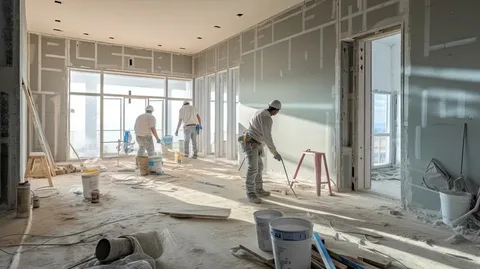
Drywall is one of the most essential components in modern construction, shaping the walls and ceilings that define our living and working spaces. Whether you’re building a new home, renovating an office, or repairing damage after years of wear and tear, professional Commercial drywall services play a crucial role in achieving a polished, durable finish.
This detailed guide explores everything you need to know about commercial and residential drywall services — including installation, finishing, repair, costs, benefits, and frequently asked questions — to help you make informed decisions for your next project.
What Are Drywall Services?
Drywall services encompass the installation, repair, finishing, and maintenance of drywall panels (also known as gypsum board or plasterboard). These panels are used to create smooth interior walls and ceilings in both homes and commercial buildings.
Drywall contractors handle a wide range of tasks, including:
- Hanging drywall sheets
- Taping and mudding joints
- Sanding and smoothing surfaces
- Repairing cracks, holes, and water damage
- Applying textures or finishing coats
Residential vs. Commercial Drywall Services
While the core materials are the same, the scale, complexity, and requirements differ significantly between home and commercial projects.
Residential Drywall Services
These services focus on homes, apartments, and condos. Common projects include:
- New home construction
- Basement finishing
- Kitchen and bathroom renovations
- Ceiling repairs
- Patchwork after plumbing or electrical work
Residential drywall work often emphasizes aesthetics and detail, ensuring walls are smooth and ready for paint or wallpaper.
Commercial Drywall Services
Commercial projects involve offices, retail spaces, warehouses, and industrial buildings. These jobs typically require:
- Larger crews and faster timelines
- Compliance with building codes and fire ratings
- Soundproofing and insulation
- Durable materials for high-traffic areas
Commercial drywall installations often include specialized systems such as fire-rated walls and acoustic panels.
Types of Drywall Used
Choosing the right type of drywall is essential for performance and durability.
1. Standard Drywall
Used in most rooms for general wall and ceiling applications.
2. Moisture-Resistant Drywall (Green Board)
Ideal for bathrooms, kitchens, and basements where humidity is higher.
3. Fire-Resistant Drywall (Type X)
Common in commercial buildings and garages for added fire protection.
4. Soundproof Drywall
Designed to reduce noise transmission between rooms — perfect for offices or multi-family homes.
5. Mold-Resistant Drywall
Offers added protection in damp environments.
The Drywall Installation Process
A professional drywall project involves several precise steps:
1. Measuring and Planning
Contractors measure the space and plan sheet placement to minimize seams and waste.
2. Hanging Drywall
Panels are cut to size and attached to wall studs or ceiling joists using screws or nails.
3. Taping and Mudding
Joints between panels are covered with tape and joint compound (mud) to create a seamless surface.
4. Sanding
Once the compound dries, surfaces are sanded smooth to remove imperfections.
5. Finishing
A final coat is applied, and the surface is prepared for painting or texturing.
Drywall Finishing Levels Explained
Drywall finishing is categorized into levels (0 to 5), depending on the smoothness required:
- Level 0: No finishing (used in temporary spaces)
- Level 1–2: Basic finish for garages or utility areas
- Level 3: Suitable for textured finishes
- Level 4: Standard for most residential walls
- Level 5: Ultra-smooth finish for high-end projects and glossy paint
Common Drywall Repairs
Over time, drywall can suffer damage from daily use, moisture, or structural movement.
Typical Issues Include:
- Cracks from settling
- Holes from nails or impacts
- Water damage stains
- Peeling tape or joint lines
- Sagging ceilings
Professional repair ensures the damaged area blends seamlessly with the surrounding surface.
Benefits of Hiring Professional Drywall Services
1. Quality Workmanship
Experienced contractors deliver smooth, flawless finishes that are difficult to achieve with DIY methods.
2. Time Efficiency
Professionals complete projects quickly without compromising quality.
3. Proper Tools and Techniques
From taping knives to sanding equipment, professionals use specialized tools for precision work.
4. Compliance with Codes
Commercial projects, in particular, must meet building and fire safety regulations.
5. Long-Term Durability
Proper installation reduces the risk of future cracks, sagging, or repairs.
Factors Affecting Cost
- Ceiling height
- Accessibility
- Type of drywall used
- Level of finish required
- Labor and material costs
Commercial projects often have higher total costs due to scale and compliance requirements.
DIY vs. Professional Drywall Work
DIY Drywall
Pros:
- Lower upfront cost
- Suitable for small repairs
Cons:
- Time-consuming
- Difficult to achieve smooth finishes
- Requires tools and experience
Professional Services
Pros:
- High-quality results
- Faster completion
- Reduced stress
Cons:
- Higher initial cost
For large-scale or high-visibility projects, hiring professionals is strongly recommended.
Tips for Choosing the Right Drywall Contractor
- Check experience and portfolio
- Read customer reviews
- Verify licensing and insurance
- Request detailed quotes
- Ask about timelines and warranties
A reliable contractor ensures your project runs smoothly from start to finish.
Maintenance Tips for Drywall
- Avoid excessive moisture exposure
- Repair small cracks early
- Use proper anchors for heavy items
- Repaint periodically to maintain appearance
Proper care extends the lifespan of your drywall and keeps your space looking fresh.
FAQs: Commercial & Home Drywall Services
1. How long does drywall installation take?
Small residential projects may take a few days, while large commercial jobs can take several weeks depending on size and complexity.
2. What is the difference between drywall and plaster?
Drywall is quicker to install and more cost-effective, while plaster is more durable but labor-intensive.
3. Can drywall be repaired instead of replaced?
Yes, most minor damage can be repaired without replacing entire panels.
4. What finish level should I choose?
Level 4 is standard for homes, while Level 5 is ideal for high-end or commercial spaces.
5. Is drywall fire-resistant?
Standard drywall offers some resistance, but Type X drywall provides enhanced fire protection.
6. How do I know if my drywall has water damage?
Signs include stains, softness, bubbling paint, or mold growth.
7. Can drywall help with soundproofing?
Yes, specialized drywall and insulation can significantly reduce noise transmission.
8. How often should drywall be maintained?
Inspect annually and address any visible damage promptly.
Final Thoughts
Commercial and home drywall services are the backbone of interior construction, providing the smooth, durable surfaces that define modern spaces. Whether you’re building from the ground up or repairing existing walls, investing in professional drywall services ensures quality, efficiency, and long-lasting results.
From installation and finishing to repairs and maintenance, understanding the drywall process helps you make smarter decisions and achieve the best outcome for your project.
