 Skip to content

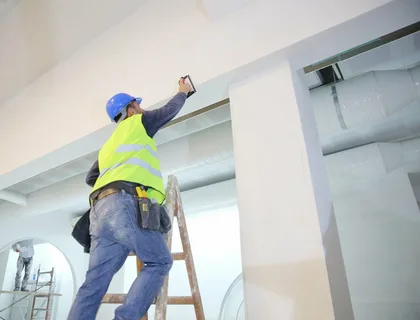
Walk into any finished office, retail store, or warehouse and you probably don’t think twice about the walls. That’s kind of the point. Good drywall work is supposed to disappear into the background, smooth, straight, and quiet. But get it wrong, and suddenly every visible seam, uneven corner, or crack after six months becomes something everyone notices. That gap between a decent job and a great one is usually why business owners start looking for commercial drywall contractors edmonton businesses can actually count on.
This isn’t just about slapping up boards and calling it a day. Commercial drywall work comes with its own set of headaches that residential jobs just don’t have, and knowing what separates a solid contractor from a shaky one can save a project from turning into a mess.
Why Commercial Drywall Isn’t the Same as a Home Reno
A lot of people assume drywall is drywall, whether it’s going into a bedroom or a bank lobby. That’s not really true. Commercial spaces come with their own rules, and a contractor who’s only done residential work can get caught off guard fast.
A few things that make commercial jobs different:
- Bigger square footage, which means tighter timelines matter a lot more
- Fire ratings and sound codes that residential walls usually don’t need to meet
- Work sometimes happening around an active business, not an empty house
- Coordination with electricians, HVAC crews, and other trades on site at the same time
- Stricter building code inspections before a space can open
None of this is impossible to manage. It just takes a contractor who’s actually done it before, not someone learning the commercial side on your dime.
What the Work Actually Looks Like
Framing First
Before any board goes up, there’s steel stud framing to deal with in most commercial builds. Steel holds up better than wood in a lot of commercial applications, and it needs to be set precisely so everything that comes after, the drywall, the electrical runs, the insulation, actually fits the way it should.
Hanging and Taping
Getting the boards up sounds simple, but the real skill shows in the taping and mudding after. This is where seams either disappear completely or become an eyesore under the wrong lighting. A rushed taping job might look fine right after install and then show every joint a few months later once the building settles.
Fire and Sound Requirements
Commercial buildings often need fire-rated drywall in specific areas, stairwells, mechanical rooms, shared walls between tenants. Getting this wrong isn’t just a cosmetic issue. It can fail inspection and delay opening a space entirely. Soundproofing matters too, especially for offices, medical spaces, or anywhere privacy actually matters.
Finishing Touches
Texture, paint prep, and final smoothing round out the job. This is the part clients actually see and judge the whole project by, even though it’s really the last five percent of the total work.
What to Look for Before You Hire
Not every drywall company handles commercial scope the same way, and the difference shows up fast once the project’s underway. Before signing anything, it’s worth asking a few direct questions.
Has the company actually completed commercial projects before, not just larger residential jobs? Do they understand local building codes and fire rating requirements without needing it explained to them? Can they realistically hit a timeline that works around your business hours or opening date? And do they carry proper insurance and licensing for commercial-scale work, not just a general contractor’s license?
Finding commercial drywall contractors edmonton business owners have actually worked with before, not just a name from a quick search, tends to save a lot of stress. A contractor who’s done commercial buildouts knows how to work alongside other trades without the whole schedule falling apart.
Timelines: What’s Realistic
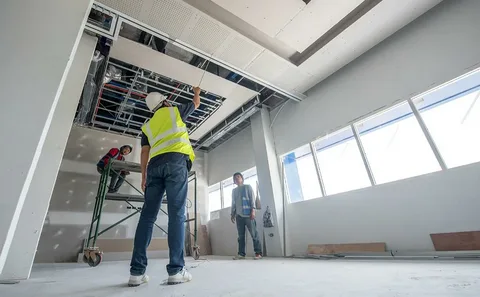
Commercial drywall timelines depend heavily on square footage and how much coordination is needed with other trades. A small retail buildout might wrap up in a couple of weeks. A larger office space or multi-unit commercial building can take significantly longer, especially once framing, insulation, taping, and finishing all get factored in.
The honest answer is that anyone promising an unrealistically fast timeline on a large commercial job is either cutting corners or setting expectations they can’t actually meet. A contractor who gives a realistic timeline upfront, even if it’s longer than you hoped, is usually the one who follows through.
Common Problems That Show Up Later
A lot of commercial drywall issues don’t show up on day one. They show up months later, and by then they’re a lot more expensive to fix.
- Visible seams or bubbling tape from rushed mudding
- Cracks near corners where framing wasn’t properly secured
- Sound bleeding through walls that were supposed to be soundproofed
- Failed fire inspections because the wrong board type went up in the wrong spot
- Uneven texture that only becomes obvious under certain lighting
Most of these trace back to one thing: rushing the job to hit a deadline instead of doing it right the first time.
Getting It Done Right the First Time
Commercial drywall isn’t the kind of thing where cutting corners saves money in the long run. A patched-together job might pass on opening day and then cause real headaches, and real costs, a year down the line.
If you’re planning a commercial buildout or renovation in Edmonton, it’s worth taking the time to find commercial drywall contractors edmonton businesses have genuinely had good experiences with, rather than whoever’s available fastest. Ask about their commercial project history, their understanding of code requirements, and how they plan to work around your business without derailing your timeline.
At the end of the day, the walls people never think about are usually the ones that were built by someone who actually knew what they were doing.
